Buying a new home is an exciting milestone, but the experience can quickly become stressful if you arrive after closing and discover that the seller has left behind garbage, unwanted belongings, damage, or a property that is not in the condition you expected.
Many buyers assume that once they receive the keys, the home will be clean, empty, and ready for them to move in. However, this is not always the case. If a seller leaves a mess after the sale is complete, buyers may wonder what legal rights they have and whether they can hold the seller responsible.
The answer depends on the Agreement of Purchase and Sale, the condition of the property, and the laws that apply in the province where the property is located.
What Condition Should a Seller Leave a House In After Closing?
When a property is sold, the seller is generally expected to deliver the home according to the terms agreed upon in the Agreement of Purchase and Sale. Many real estate agreements require the property to be left in a “broom-swept” condition, meaning the seller should remove personal belongings and garbage and leave the property reasonably clean.
However, a broom-swept condition does not usually mean that the seller must provide professional cleaning services or leave the home in perfect condition. The specific obligations depend on the wording of the contract signed by both parties.
A seller may be responsible if they leave behind items that they agreed to remove, fail to meet a specific contractual obligation, or cause damage to the property before closing. For example, leaving large amounts of garbage, abandoned furniture, construction materials, or personal possessions may create an issue if the agreement required the property to be cleared before possession.
What Happens If You Discover a Mess After Taking Possession?
If you walk into your new home and find unexpected problems, the first step is to carefully document the condition of the property. Take photographs and videos of the areas affected and keep records of any expenses related to cleaning, removal, repairs, or storage.
Documentation is important because it provides evidence of the condition of the property at the time you took possession. Without proper records, it can become more difficult to demonstrate what was left behind or determine who may be responsible.
After documenting the issue, you should contact your real estate lawyer. Your lawyer can review the Agreement of Purchase and Sale and determine whether the seller failed to meet their obligations under the contract.
Can a Seller Be Held Responsible for Leaving Garbage or Belongings Behind?
A seller may be responsible if they have breached the terms of the Agreement of Purchase and Sale. For example, if the agreement required the property to be vacant and free of personal belongings, leaving unwanted items behind could potentially be considered a breach.
However, not every mess will result in a legal claim. Minor cleaning issues may not justify legal action, especially if the cost of resolving the problem is small. The seriousness of the situation, the wording of the agreement, and the financial impact on the buyer all play a role in determining what options may be available.
In some cases, buyers may be able to seek reimbursement for reasonable costs associated with removing items or repairing damage. In other cases, the most practical solution may be negotiating with the seller to resolve the issue.
Can You Refuse to Close Because the Seller Left the House in Poor Condition?
Generally, buyers cannot simply refuse to close because the property is dirty or contains unwanted items. Real estate transactions are legally binding, and refusing to complete the purchase without a valid legal reason may create risks for the buyer.
Understanding the closing process can help buyers avoid unexpected issues during a real estate transaction.
If there is a serious problem, such as significant damage to the property, removal of items included in the agreement, or another major breach of contract, the buyer should seek legal advice immediately before making any decision about closing.
A real estate lawyer can review the circumstances and advise whether the issue affects the buyer’s legal obligations or available remedies.
What Should Buyers Do Before Closing to Avoid Problems?
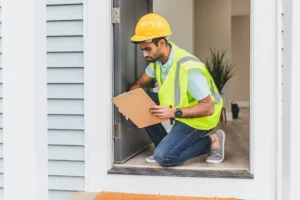
The best time to identify property condition issues is before the transaction is completed. Buyers should take advantage of the opportunity to conduct a final walkthrough before closing whenever possible.
A final walkthrough allows buyers to confirm that the property is in substantially the condition expected under the Agreement of Purchase and Sale. It can also reveal problems such as missing fixtures, new damage, leftover belongings, or repairs that were not completed as promised.
Buyers should also carefully review the purchase agreement and understand their obligations, including buyer representation agreements, before signing.
Why Speaking With a Real Estate Lawyer Matters
Discovering that a seller left a mess after you bought a house can be frustrating, but your legal options depend on the details of your situation. A real estate lawyer can help you understand whether the seller breached the agreement and what steps may be available.
Before taking action, buyers should gather evidence, keep records of any expenses, and avoid making decisions that could affect their legal position without professional advice.
Final Thoughts
Finding garbage, unwanted belongings, or damage after buying a home can be an unpleasant surprise. While sellers are expected to meet their obligations under the Agreement of Purchase and Sale, the available solutions depend on the specific facts of each case.
If a seller leaves a mess after closing, document the problem, review your agreement, and speak with a qualified real estate lawyer. Understanding your rights early can help you determine the best way to address the situation and protect your investment.
FAQs
1. What should a seller leave behind after closing?
A seller is generally expected to leave the property in the condition required by the Agreement of Purchase and Sale. This may include removing garbage, personal belongings, and unwanted items.
2. What should I do if the seller leaves garbage or belongings behind?
Take photos and videos of the property, keep receipts for any cleaning or removal costs, and contact your real estate lawyer. They can review the agreement and explain your available options.
3. Can I make the seller pay for cleaning or removing items?
You may be able to seek reimbursement for reasonable costs if the seller breached the Agreement of Purchase and Sale. Your legal options depend on the contract and circumstances.
4. Can I refuse to close if the house is left in poor condition?
You generally should not refuse to close without first getting legal advice. A serious breach or significant property damage may require a different response, depending on the terms of the agreement.
5. How can I avoid problems with the property’s condition before closing?
A final walkthrough before closing can help identify leftover belongings, damage, missing fixtures, or incomplete repairs. Review the Agreement of Purchase and Sale carefully and raise concerns before closing.